

RPS200: Extending the School Year to Accelerate Learning in Richmond
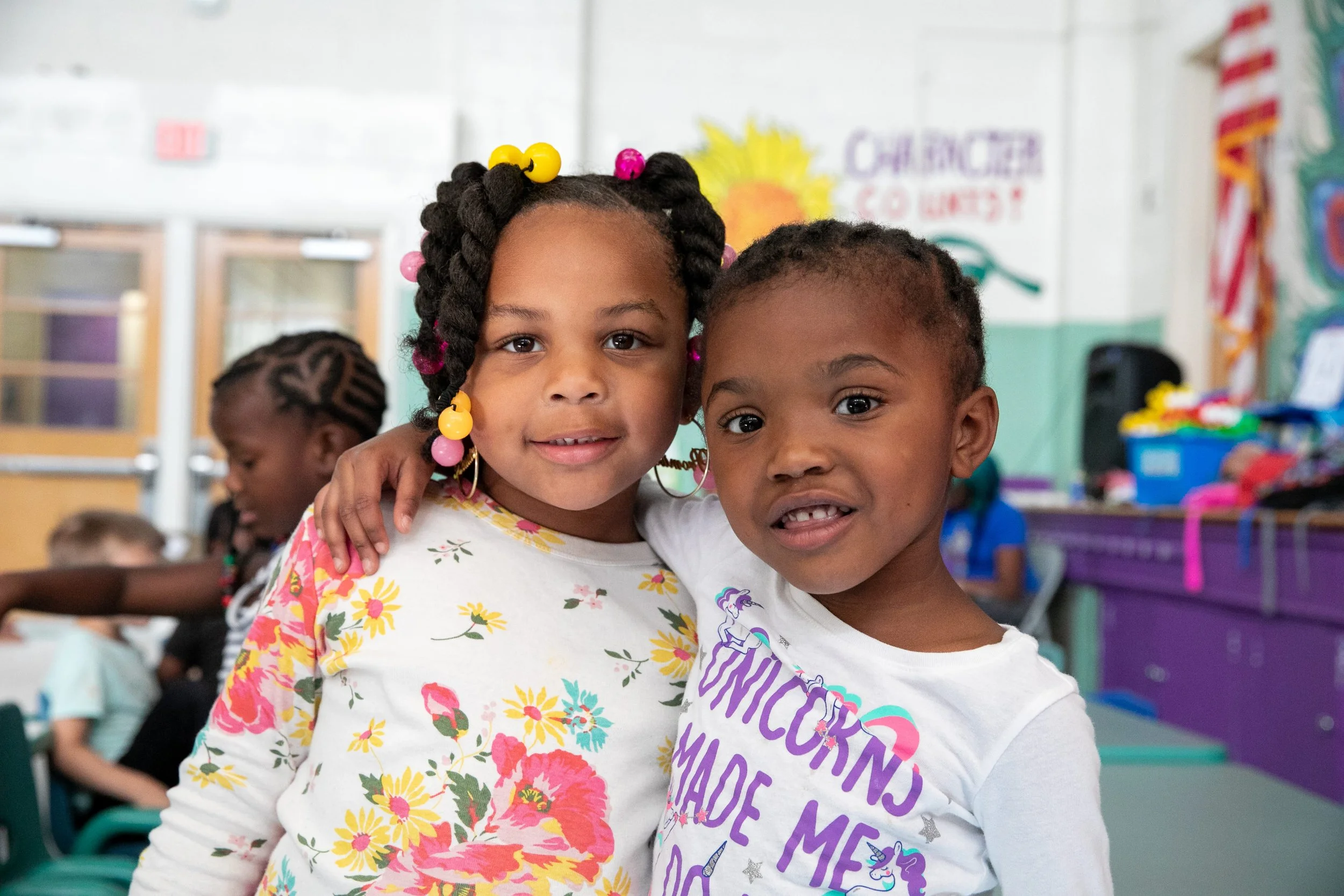
In the years following COVID-19, Richmond Public Schools teachers and leaders were in a race against time: rushing essential literacy instruction, struggling to build strong relationships, and watching learning gaps widen as the year went on. These realities were even more damaging in schools serving high numbers of English learners, newcomers, and students facing economic hardship.
Families and educators agreed that students simply needed more time, stability, and support than the standard calendar allowed. This reality pushed the district to ask a bold question: What if we gave students the time they actually need to thrive?
The district engaged Richmond Ed Fund to help bring resources, partners, and national attention to the work.
A Bold, Community-Driven Idea
In 2023, Richmond Public Schools launched a pilot to determine if 20 more days of school might help students learn more and deepen their connections with their teachers and peers. The idea grew out of conversations with families, teachers, and school leaders who saw students needing more time for reading, relationships, and routines.
RPS didn’t mandate the extended-year model—educators and families at two elementary schools chose it. Fairfield Court and Cardinal volunteered to try an extended 200-day school year.
90% of families voted to participate
Nearly 70% of teachers supported the longer year
This strong buy-in helped build a positive culture around the pilot and kept families engaged throughout the year.
Strong Gains in Literacy and Attendance
The first year of the pilot showed promising, measurable improvements, suggesting that more time, paired with strong instruction and meaningful relationships, can make a real difference. By the end of the second year, those early gains had compounded into significant reading growth:
Fairfield Court Elementary: In a school where 97% of students face economic disadvantages, early literacy proficiency rose from 61% to 87%.
Cardinal Elementary:Literacy scores rose from 53% to 64%, even as 80%+ of students are recent immigrants and English learners.
Even with 20 extra days added, attendance at both schools went up, showing that students and families saw value in the extended calendar.
Because of the early success, the RPS school board voted to expand the pilot to additional schools. National partners took notice, too: Bloomberg Philanthropies invested in the expansion, helping Richmond scale this model with the resources it needs.
Looking Ahead
With early signs of progress, the extended-year pilot is a powerful example of:
Community-driven decision-making
Evidence-based innovation
Strategic partnership and national investment
A commitment to equity and opportunity
RPS students have faced decades of underinvestment and structural inequities. By trying a bold idea and learning from the results, Richmond is becoming a place where new models can be tested and improved. The pilot shows what becomes possible when families, educators, and community partners work together.
The Richmond Ed Fund will continue to support the district as it studies the long-term impact of the model and as more schools join the effort.
This work proves that when Richmond students get more of what they need, they rise.